Give incoming mail a place to wait
Keep new mail separate from papers that need an action and make the next task visible.
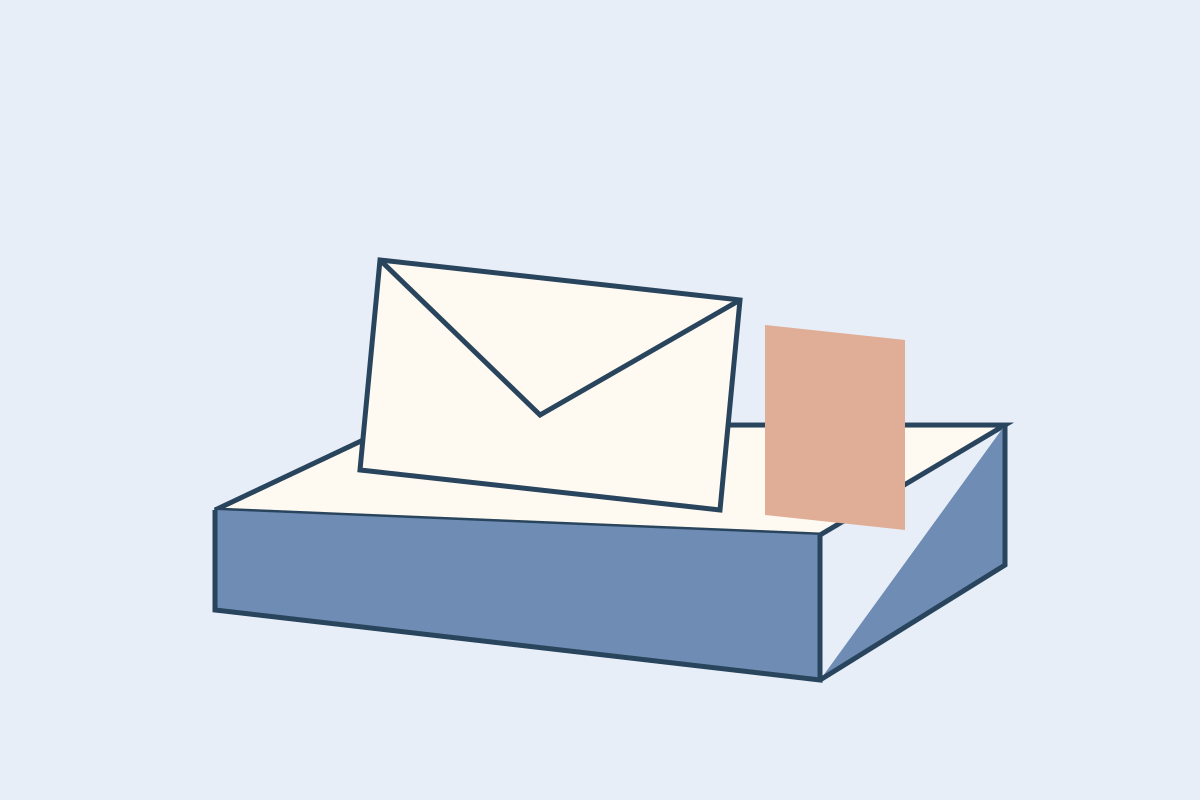
An unopened envelope and a form waiting for a reply are different tasks. Putting both into one deep box hides that difference. Give incoming mail a shallow place to wait and move papers that need action into a separate, clearly named place.
Keep the incoming space small enough to see
A tray on an existing surface can hold mail before it is opened. Choose a location the household actually passes, away from public view if the papers contain personal information. Keep it clear of food and water.
Try a container you already own before buying a dedicated organizer. Notice whether it becomes a landing place for unrelated objects. If keys and charging cables fill it, give those items another spot rather than adding a larger mail box.
Label the action instead of the pile
‘Call about delivery’ describes a next step. ‘Important’ does not. After reading an item, attach a removable note or place it in a folder named for the action it needs. Keep deadlines visible without writing private account information on an exposed label.
These are organizational examples, not rules for which records to keep. Follow the relevant issuer’s guidance for a document and get appropriate advice if its retention requirements are unclear.
Choose who will check it
A folder can sit untouched if everyone assumes someone else handles it. Agree on who checks incoming mail and when that fits the household’s routine. Use a reminder if it helps, but choose an interval that can accommodate actual due dates.
When an action is complete, move the paper to its intended storage or disposal process. Do not let the action folder become a permanent archive. During a room reset, return misplaced papers to the right tray without treating unopened mail as something to throw away.